
1870 - 1886
Building a Ranching Legacy
Dr. Stokes was a different story. His passion was horse racing. He once bought a European stud champion for $1500 and shipped him to Laramie by boat and rail. As soon as the horse arrived, Stokes began training for the match of the century.
Betting was through the roof when Dr. Stokes rode into the Laramie City Fairgrounds astride Fireball. Horse racing was the sport of the moment back then (Cheyenne Frontier Days was not inaugurated until 1897) and the match race drew a large crowd.
A blast from a pistol set the two thoroughbreds off south along the rough track that defined the racing oval.
Spooked by the shot and then the roar of the crowd, Fireball took the bit in his mouth, jumped the perimeter fence, and ran all eight miles back to his barn at the Stokes Ranch.
Stokes then built his own racetrack near the train line and held popular biannual racing events.
Axel Palmer Comes to
The Oxford Horse Ranch
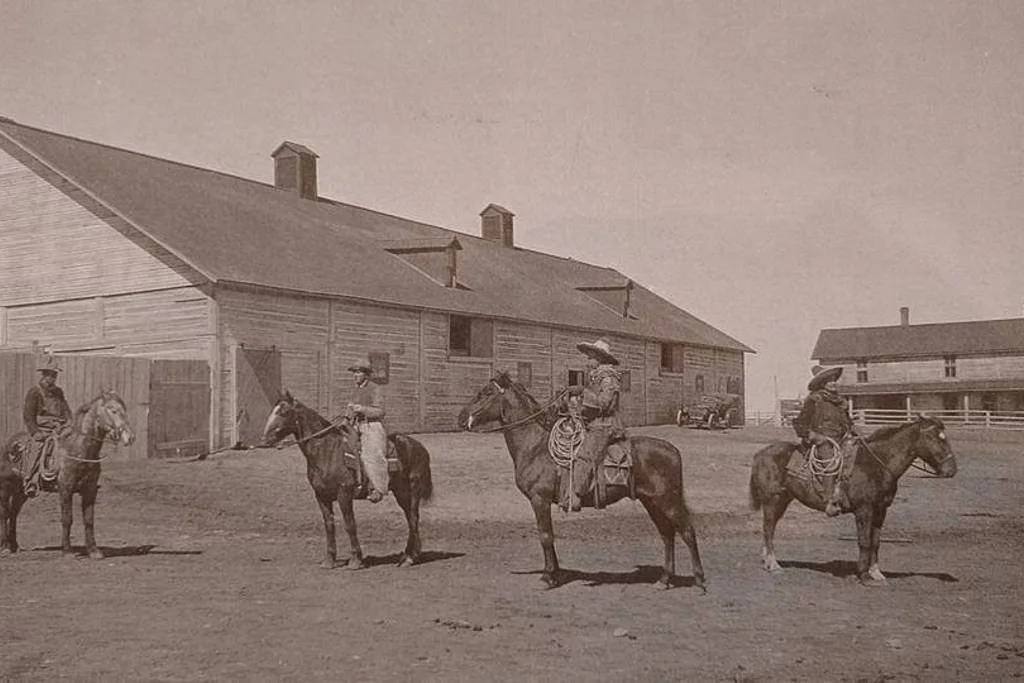
Immersed in the gentlemen's life on the Laramie Plains, Stokes had the great fortune of hiring a local Swede as his ranch manager. Axel Palmer was as steady as a rock, and he and his brother, Gus, were excellent horsemen.
Palmer expanded the equine inventory, adding steeple chasing specialists, draft horses, polo ponies, matched carriage teams, cavalry mounts, mules, and saddle horses to Stokes's famous string of racehorses.
Over the next decade, they increased their herd to 3000 head and ran them over 16,000 acres, although few of those acres were actually deeded.
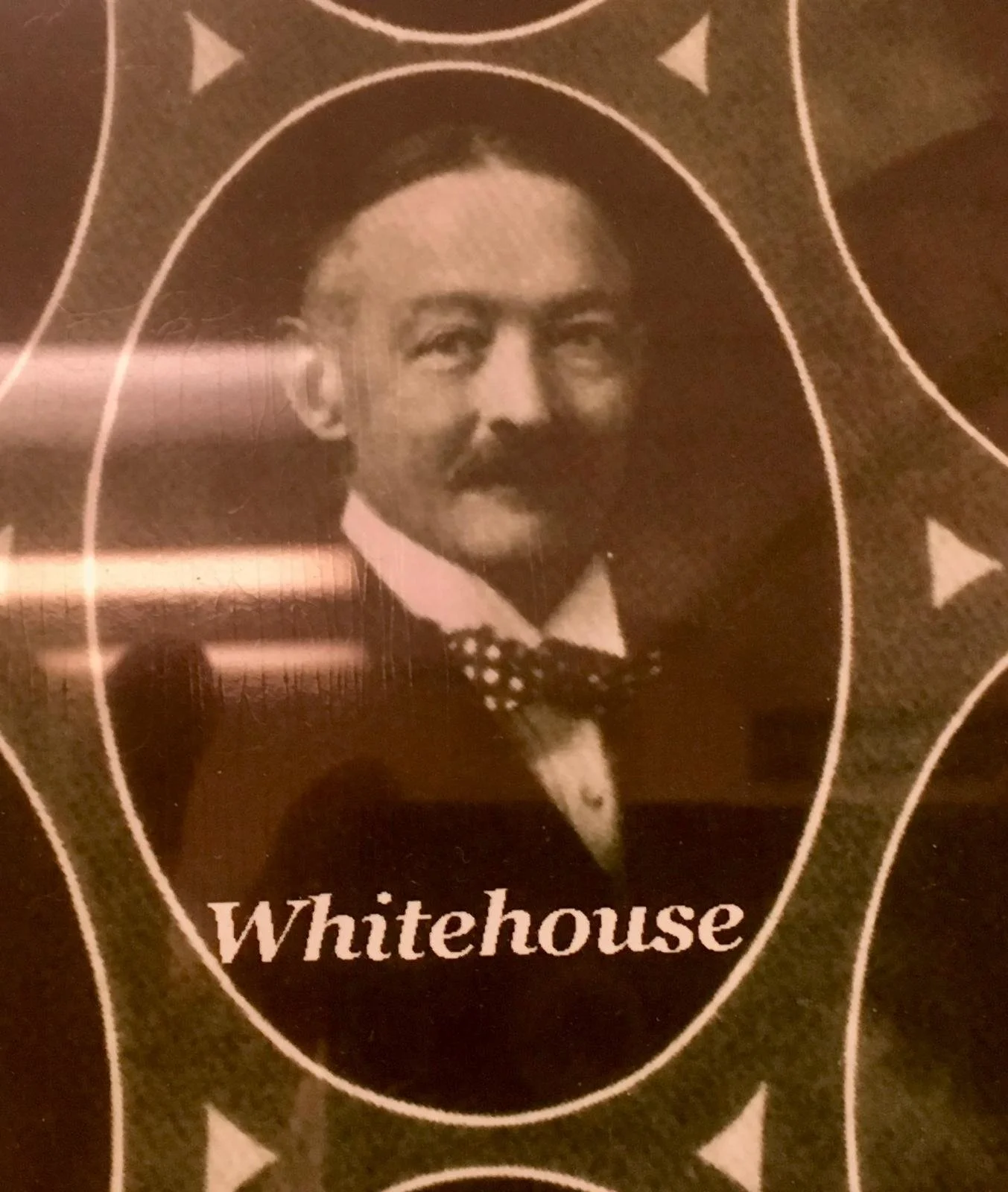
In the summer of 1886, Arthur Whitehouse, a young Oxford University student (Oriel College), and his best friend, Sir George V.H. Gordon, traveled to Laramie on a lark, intending to experience America's Wild West for the summer.
Gordon was a favorite cousin of the fifth Earl of Aberdeen, who’s grandfather was a former British prime minister, his father was a future Governor General of Canada, and owned the 200,000 acre Rocking Chair Ranch near Aberdeen, Texas.
While visiting Oxford, England, in 1885, Wyomingite Bill Wyndham of the Diamond Tail Ranch had invited the two students to his ranch down south on Sand Creek, Colorado. Arthur and George quickly embraced Western living. They immersed themselves in the culture, riding to hounds with Dr. Stokes, dining on fresh New York oysters at the magnificent Flagg Ranch, hunting big game, and cutting hay on the Diamond Tail with a horse-drawn scythe, helping stack great piles of nutrition to sustain cattle and horses through the harsh winters, a novel management approach for the West.
Giddy with the scenic beauty (and perhaps the altitude), Arthur and George set off to hunt antelope one evening after the hay was up. Wearing the light-colored buckskin suits of the day, they grabbed their long rifles and pursued a stray buck up a narrow canyon. Hoping to get ahead of the fleeing animal, George scaled to the top of the gulch and advanced quickly on foot while Arthur approached very slowly from below.
Imagine Arthur's anguish when, after drawing on and firing his rifle at a perceived mountain lion, he discovered he had shot his best friend in the temple. Distraught, he could not return to England to finish his studies. Besides, he could not leave because George was buried in the Laramie cemetery under a magnificent headstone supplied by the family. Ironically, George's favorite cousin was subsequently lost overboard on a voyage to Australia, and the peerage passed along..
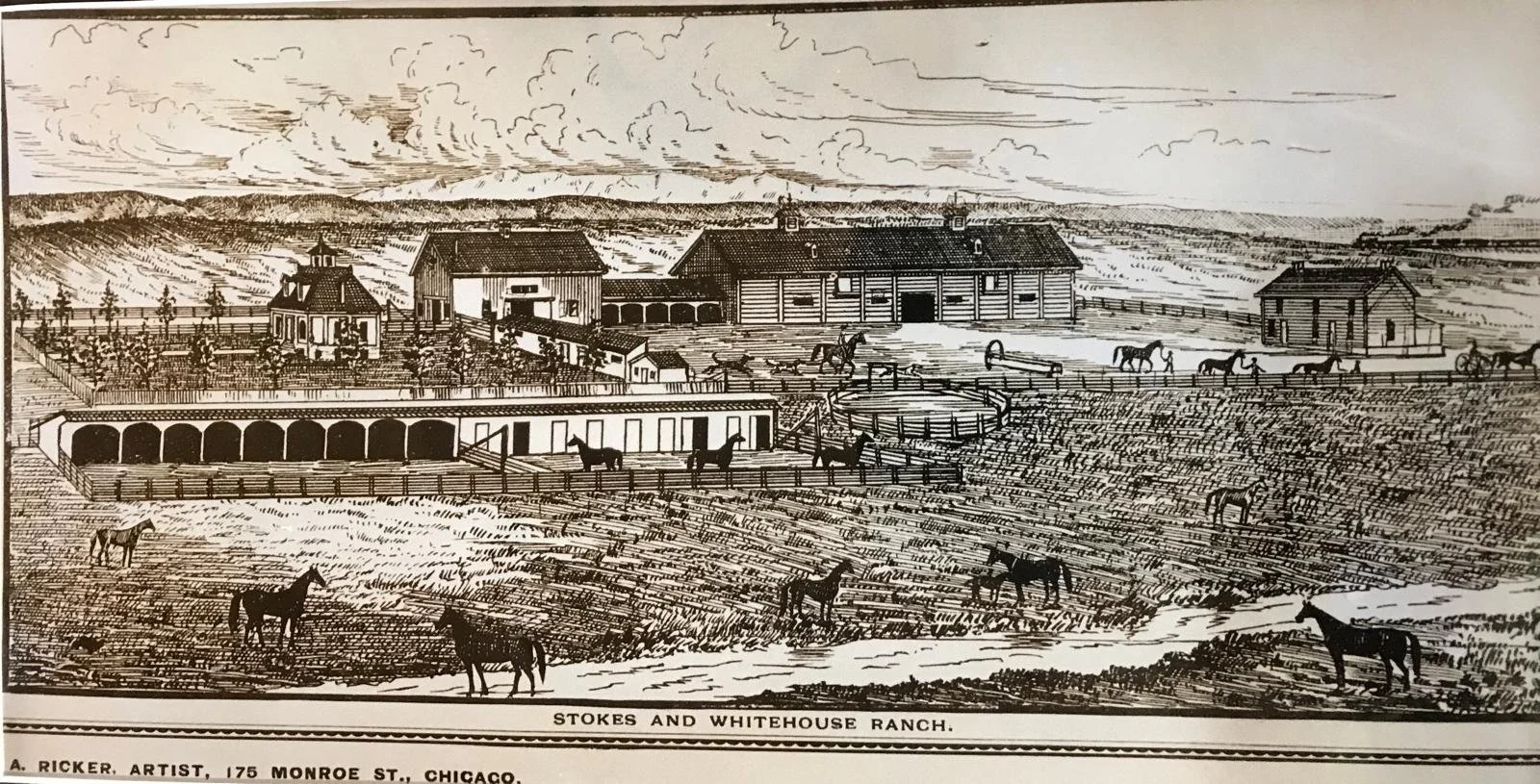
So Whitehouse bought into Stoke's ranch and began earnestly building the horse flesh business with Axel Palmer. The ranch was commonly referred to as the Stokes and Whitehouse Ranch. But Arthur Stokes had a wanderlust, so he sold the ranch to Whitehouse for $12 and went to Canada. In 1887, Arthur registered it as "The Oxford Horse Ranch" in memory of his best friend.
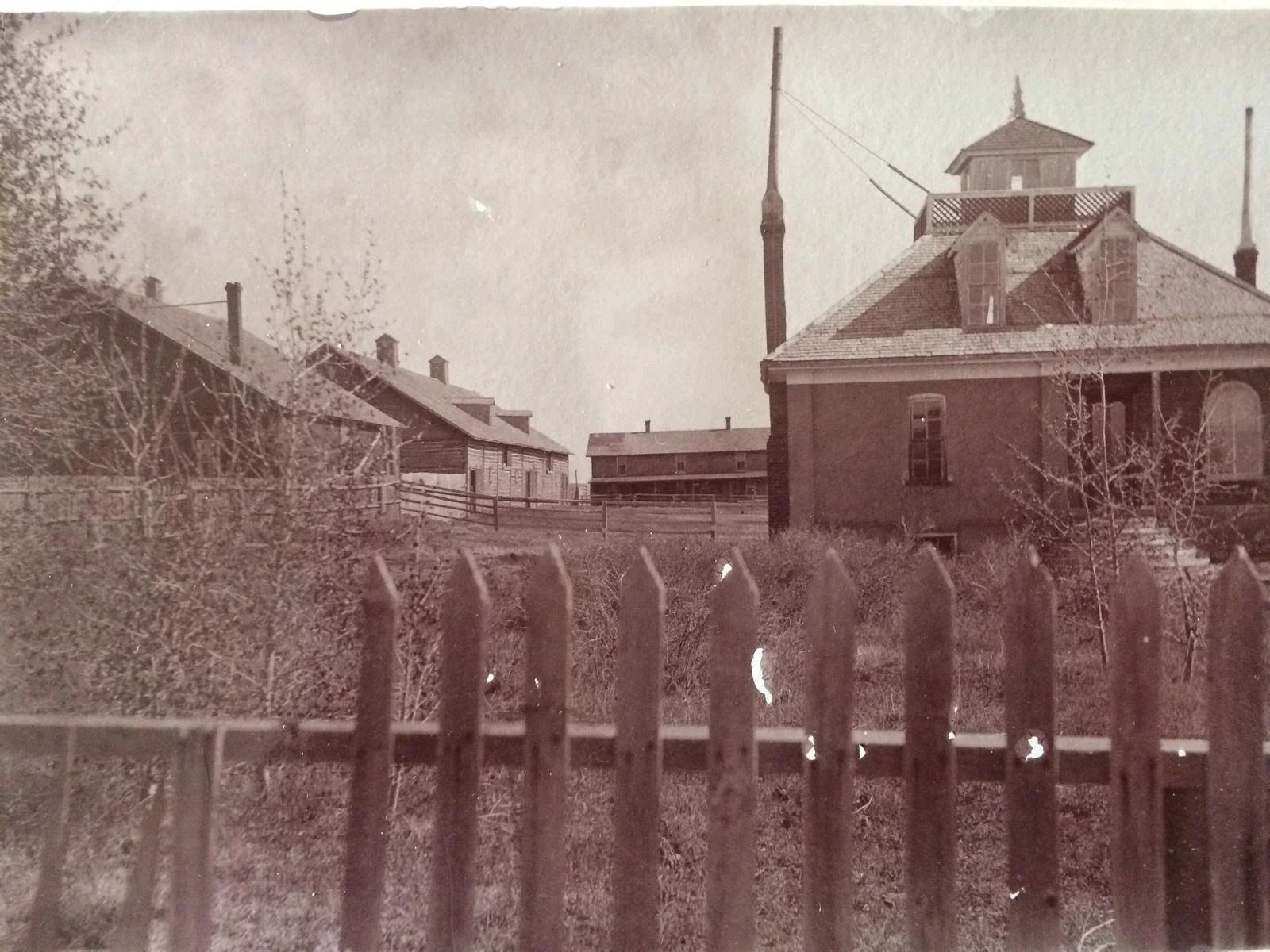
Eventually, Arthur Whitehouse realized he needed a wife. Inspired by Arthur Stokes' abilities as a trained veterinarian, he left the ranch in the hands of his capable manager, Axel Palmer. His first stop was New York City, where he married Sara S. Digges in her Manhattan home. [insert portrait of Whitehouse and Digges] The couple then moved to Ontario, Canada, where Whitehouse finished his degree in Veterinary Medicine in less than two whirlwind years. Returning to Laramie in the summer of 1894, Sara passed her time tending a large flock of hens and selling fresh eggs to the people of Laramie. She also dabbled in watercolor painting, enshrining the western ranching lifestyle on her papyrus paper. The Whitehouses occupied the brick mansion house while Axel Palmer and his wife raised their infant daughter in the ranch house. [insert photo of ranch house with folks on the porch]
The newly minted Dr. Arthur Whitehouse proudly hung out his shingle as a traveling veterinarian while Axel Palmer and brother Gus kept the horse ranching business humming like a top. They sold hundreds of cavalry mounts and draft horses to the US Government, shipping them east by train. During one unfortunate shipment, the train derailed in Kansas, killing most of the horses that were intended for Theodore Roosevelt's charge up San Juan Hill in Puerto Rico.
Whitehouse traveled far and wide, tending to horses as far away as Nebraska. In his travels, he became known for his witty conversation as well as his keen appreciation of horseflesh. But the invention of the automobile greatly curtailed the horse-selling business. The Panic of 1893 (followed closely on the heels of the disastrous winter of 1888 when 80% of all Wyoming livestock perished), caused the collapse of seven hundred American banks.. The US government itself came close to failure. Even the mighty Union Pacific Railroad (UPRR) declared bankruptcy, but the Union Pacific Corporation did not. Protected by its straw corporations, the corporate stockholders survived. Gilded Age Robber Barons succeeded in defeating the newly reelected Democratic President Grover Cleveland before he was even inaugurated.
Timeline of Historic Events at The Oxford Ranch
-
![]()
1865
Peter Johnson claims 160 acres of land along Harney Creek as a homestead, calling it the Red Buttes Ranch. He builds two irrigation ditches and a reservoir called Hundred Springs.
-
![The Historic Oxford Ranch Wyoming]()
1870
Johnson’s homestead proves up and he purchases the neighboring homestead for $100, quickly selling both to Dr. Arthur Stokes. The ranch changes names to the Stokes Ranch and two log barns, a ranch house, and a brick mansion are constructed on the property.
-
![Arthur Whitehouse, Former Owner of the Historic Oxford Ranch]()
1886
Arthur Whitehouse visits the Laramie Plains for a summer vacation and ends up staying on, becoming a co-owner of the renamed Stokes & Whitehouse Ranch.
-
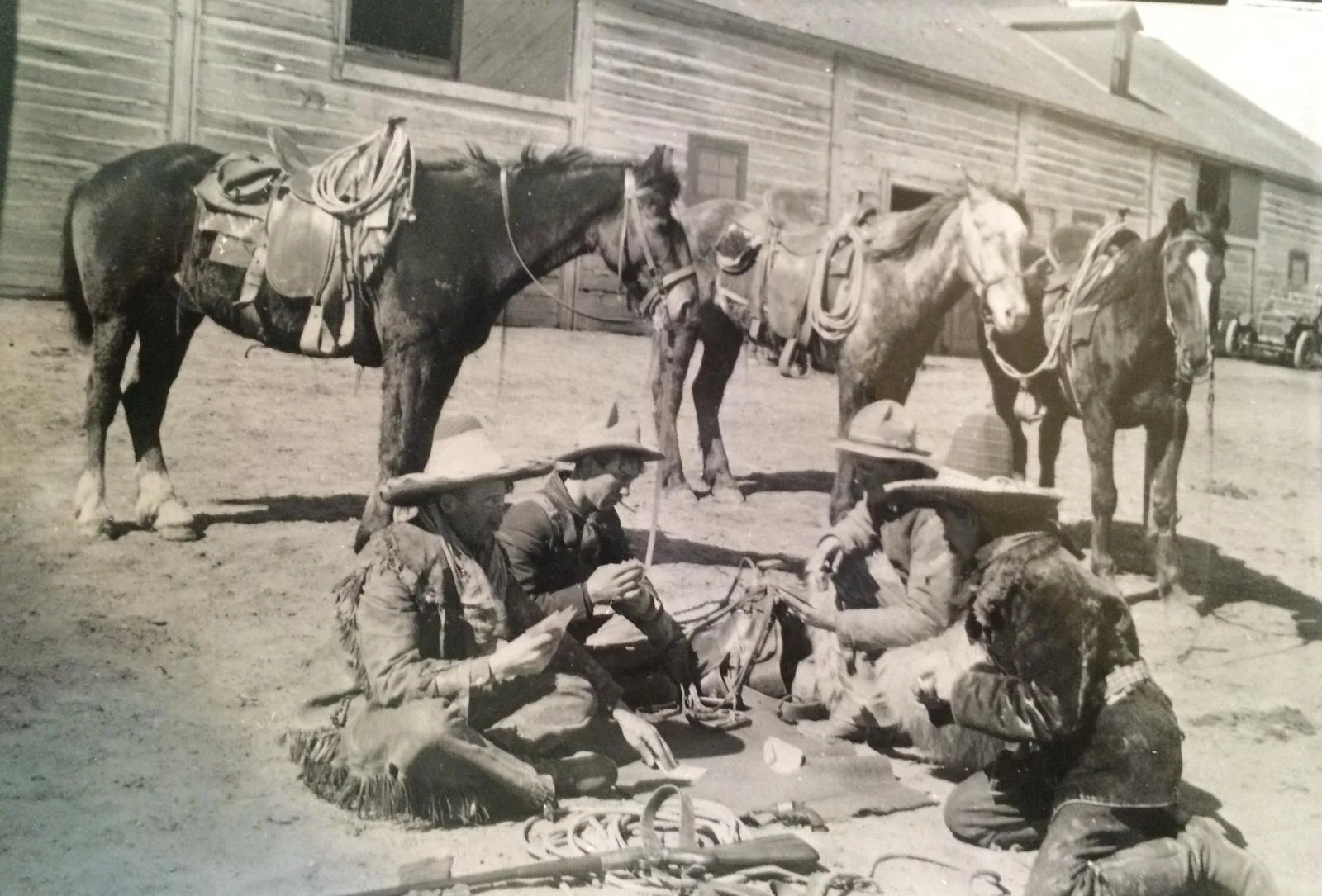
![Cowboys on the Historic Oxford Ranch]()
1887 - 1905
Whitehouse buys out Stokes and renames the ranch the Oxford Horse Ranch.
1892 – Whitehouse leaves Wyoming to marry and attend Veterinary School.
1894 – Whitehouse earns his DVM and returns to Wyoming to ply his trade.
1905 – Whitehouse sells the ranch to Axel Palmer, his longtime manager.
-
![]()
1910 - 1914
Whitehouse moves to Ft Collins to teach at Colorado A & M. Axel Palmer gives up ownership.
1913 – The ranch is sold to Daniel Bunton, a shady irrigation ditch developer from Chicago.
1914 – The second barn and mansion house burn and Buntin commits suicide.
-
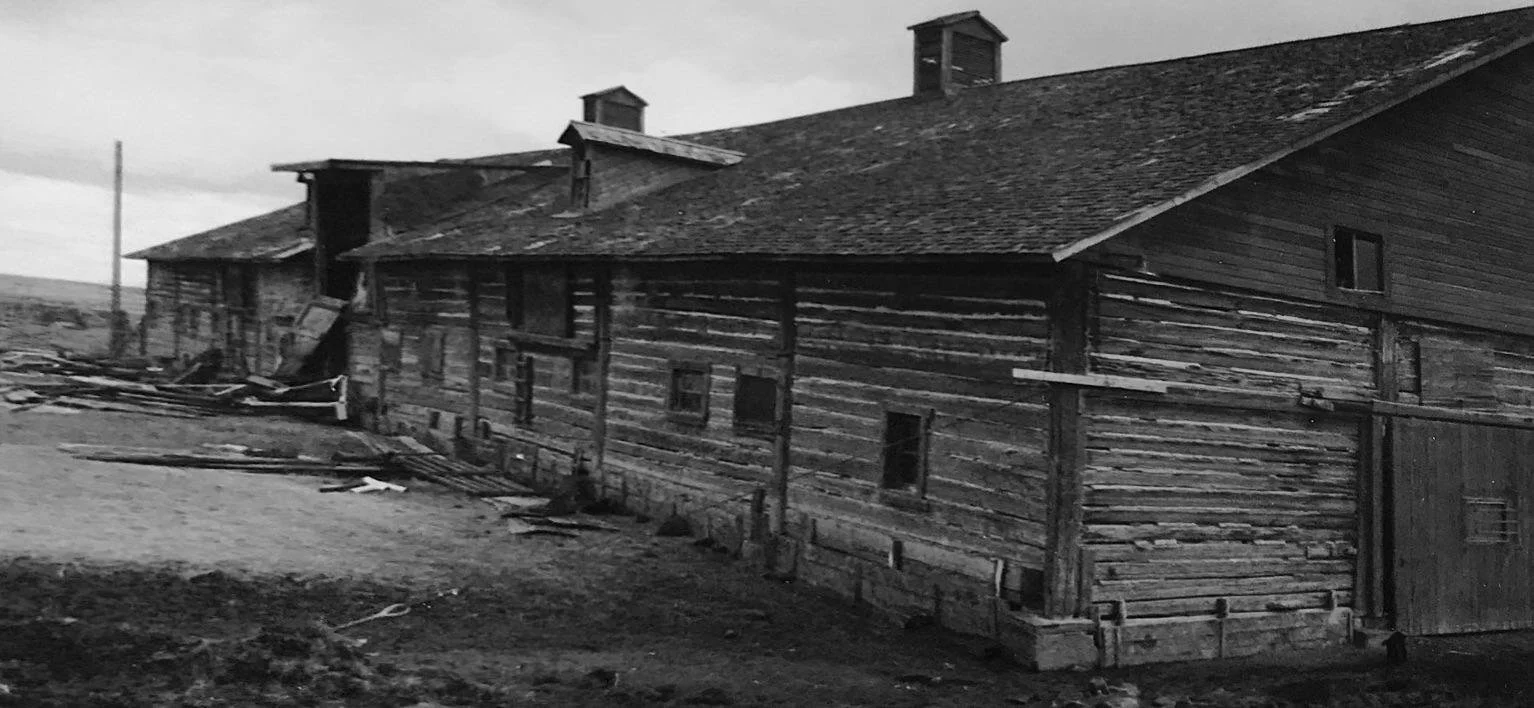
![The Historic Barn at the Oxford Ranch before it was restored]()
1917 - 1980
John Leazenby buys the ranch to run Hampshire sheep.
1948 – Leazenby divides the ranch into quarters and sells the headquarters to Dr. Otto Lembke, a retired botanist.
1980 - Lembke sells the ranch to Keith Burman. Burman removes much of the interior walls of the remaining barn, destabilizing the structure.
-
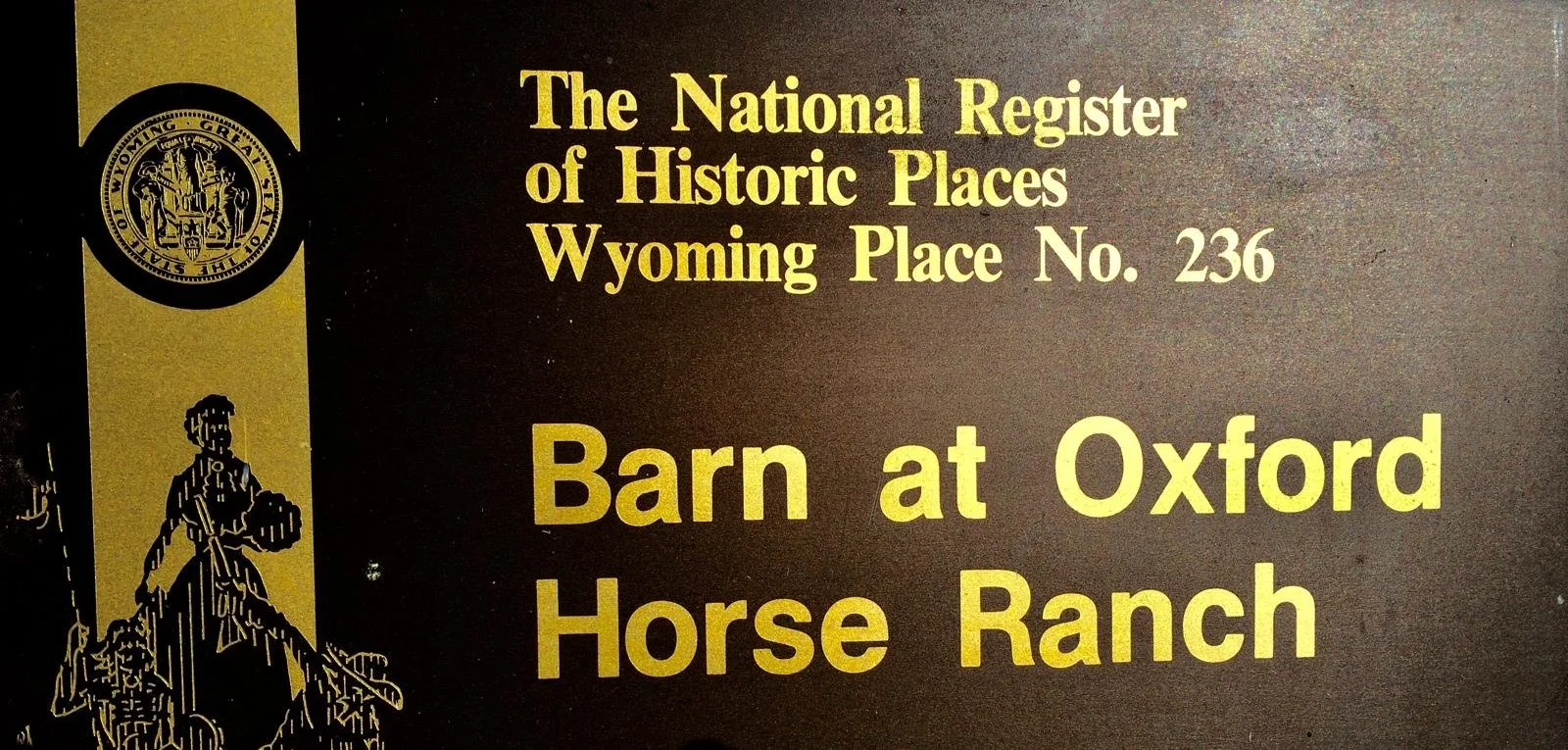
![The historic barn at the Oxford Ranch is listed on the National Registry of Historic Places]()
1991 - 1992
The barn is listed on the National Register of Historic Places.
1992 – Burman sells to a Colorado developer and the McGuire family buys 1,600 acres plus the 100 acre ranch headquarters. The barn is a liability as it is about to collapse.
-
![Sandstone arch with historic signatures on it on The Oxford Ranch]()
1994
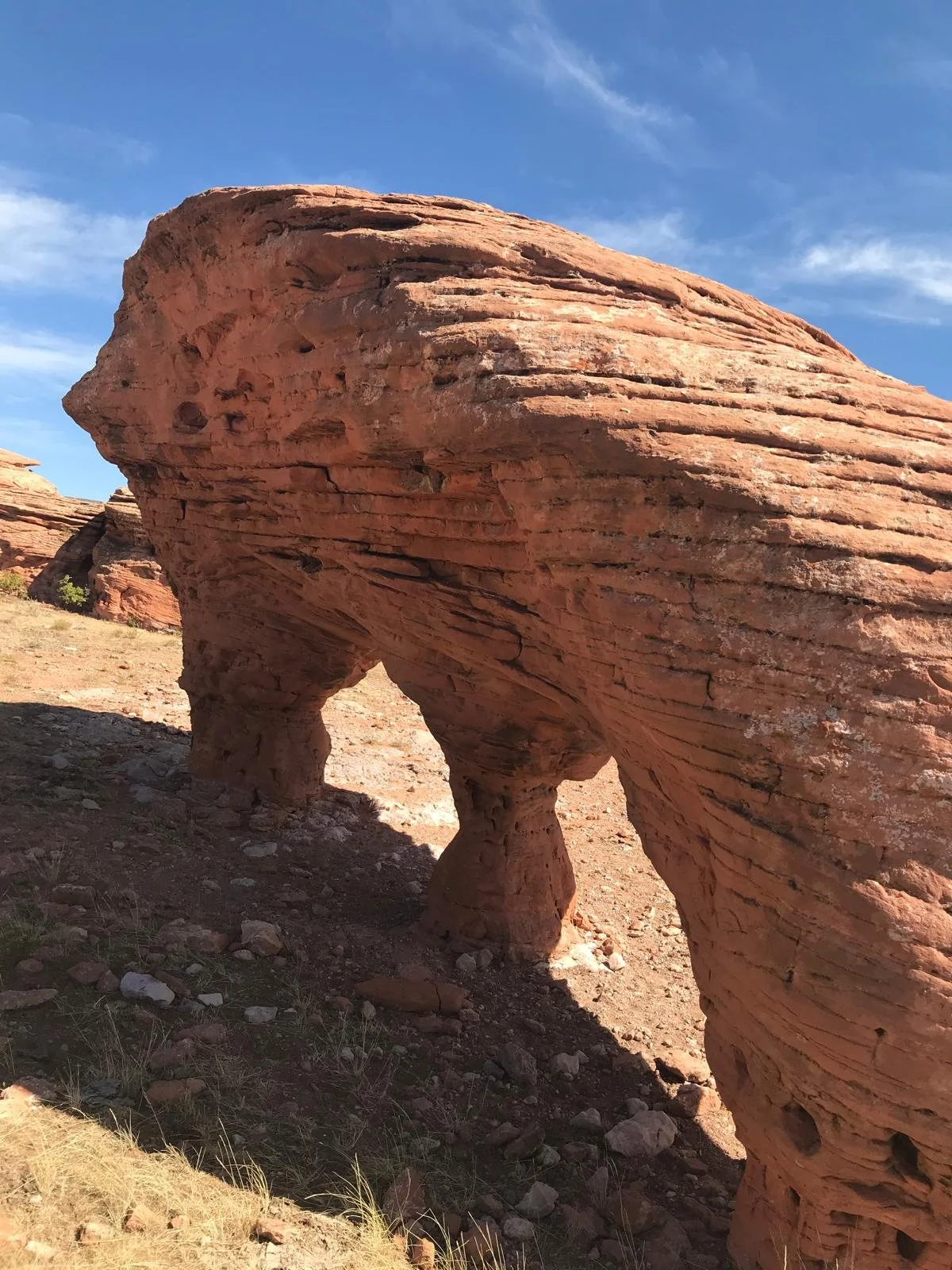
The McGuires purchase an additional 1,600 acres to the east that was part of the original ranch. This parcel includes the red sandstone arch bearing the names, dates, and initials of historic Wyoming figures.
-
![The historic barn at The Oxford Ranch is restored]()
1996
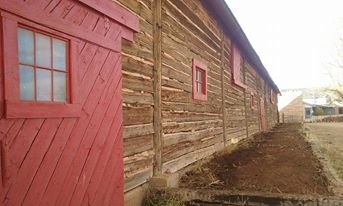
The historic barn is restored, its foundation replaced, the leaning walls straightened, and the shingled roof replaced with metal. It is awarded the National Historic Barns Association’s “Barn Again” Prize.
-
![Kelly McGuire takes over the historic Oxford Ranch as manager]()
2016
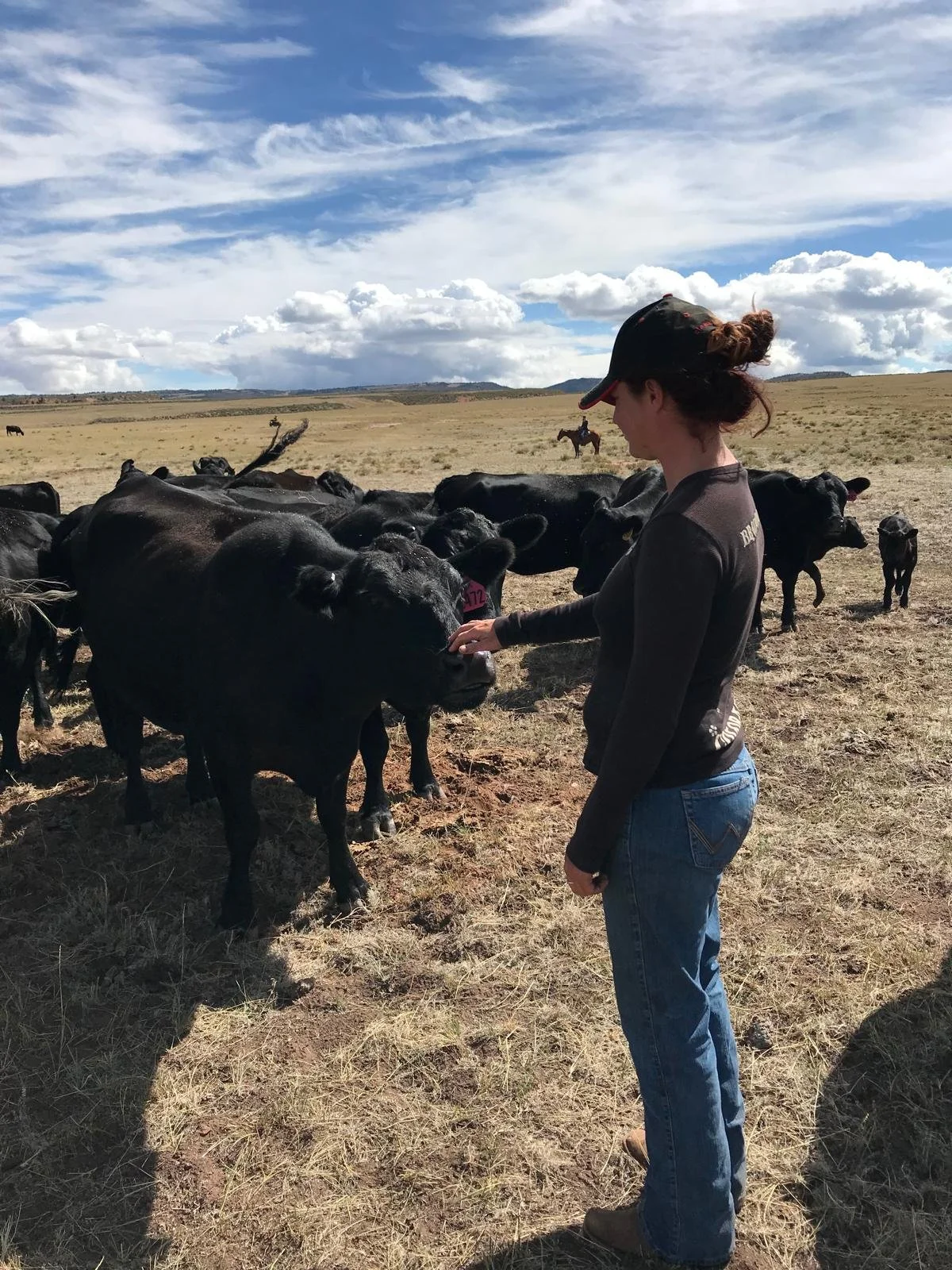
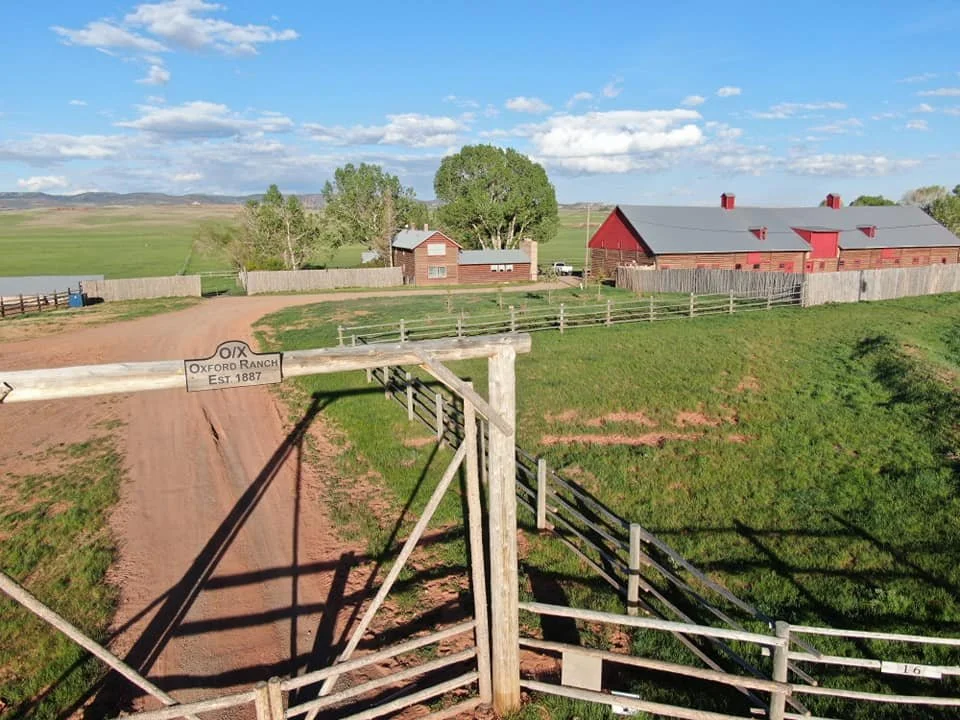
Kelly McGuire takes over as ranch manager. The Palmer House bed and breakfast is established.
Meanwhile, Back At The Ranch
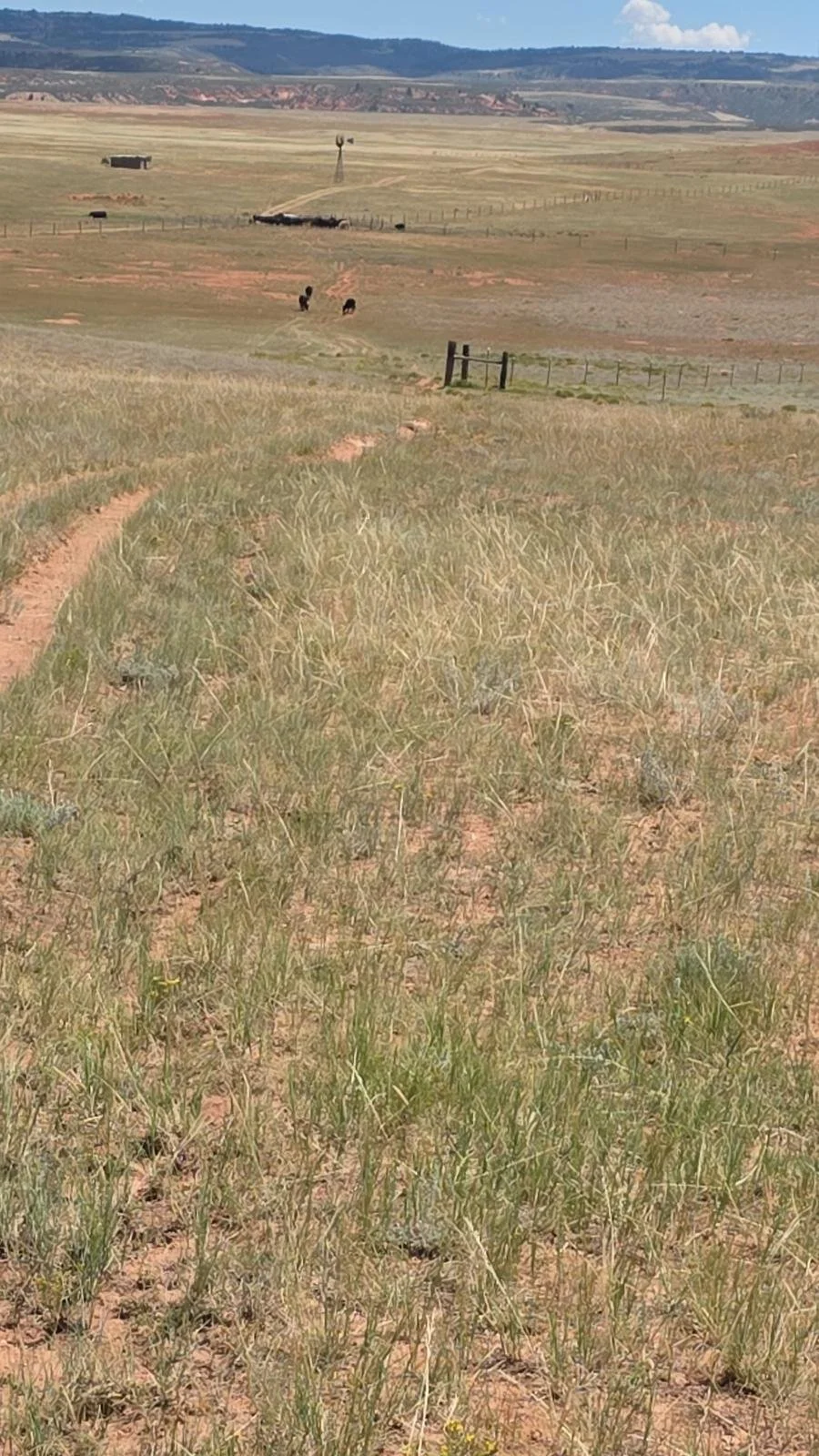
When I bought a ranch with my husband in 1992, I had no idea I would discover a window into Wyoming’s rich and complicated past - cattlemen and railroads, pioneer women and gunslingers and so much more.
This is their story.
By Kris McGuire
Owner, The Oxford Ranch
BnB at
The Oxford Ranch
-
Weddings & Events
-
Wagyu Program
-
Ranch Experiences